A market waiting to move
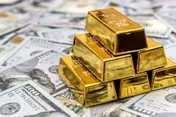
Precious metals continue to drift in a holding pattern, but it’s one that feels increasingly stretched. Prices have softened again this week before showing signs of recovery, with gold moving between roughly $4,700 and $4,800. It’s a narrow range, but one that reflects a market weighing up two broad competing forces.
Conflict first, consequences second
The first of those forces is the conflict in Iran, with it remaining the dominant influence on the short term price.
Ongoing tensions have kept oil prices elevated, particularly with supply concerns around the Strait of Hormuz. For the U.S., a net exporter of energy, that has supported a stronger dollar which is a headwind for gold. It makes it more expensive for global buyers and also nudges investors towards yielding assets instead. The result is a market that reacts quickly to headlines but struggles to commit to direction. Tuesday nights extension of the ceasefire has been enough to lift prices from earlier lows in the day, with gold bouncing back towards familiar levels around $4,760.
The rate story keeps shifting
The second force at play is US economic policy. At the start of the year, markets were comfortably pricing in two interest rate cuts in 2026, but that view has softened considerably.
Higher energy costs have fed into inflation expectations, making rate cuts harder to justify in the near term. At the same time, recent economic data released this week has held up better than expected, with retail sales rising 1.7% in March, and housing activity showing tentative signs of stabilisation. That combination has supported the dollar further, reinforcing the current pressure on gold.
All of this is against a backdrop of a leadership change at the Federal Reserve, which is still unfolding. The current Fed Chair, Jerome Powell leaves his post next month, with his proposed replacement Kevin Warsh going through the process of being vetted by the Senate on Tuesday ahead of his potential appointment. Warsh brings a reputation of being hawkish, but that is balanced by being seen as someone aligned and associated closely with Trump, who is had been pushing assertively for rate cuts. This uncertain picture is aiding the holding pattern we're seeing.
A familiar pattern
There’s precedent for this.
During the 1970s oil shock, gold initially lagged despite rising inflation, held back by the rate environment. When that shifted, the move that followed was far more decisive. Today’s backdrop isn’t identical, but the shape is familiar with energy-driven inflation, uncertain policy, and a market waiting for clarity.
The pressure beneath the surface
What’s notable is that the longer-term drivers haven’t gone anywhere. Central banks continue to accumulate gold. Fiscal pressures in the US remain elevated. And currency stability, while quieter for now, is still part of the broader conversation.
Some estimates suggest the current environment may be suppressing gold prices more than it appears on the surface. If that pressure begins to ease, whether through falling oil prices or shifting rate expectations, the adjustment could be meaningful. Silver has already hinted at that, recovering strongly from recent lows and narrowing the gap with gold.
What to watch next
In the short term, a few key moments stand out:
- Developments around the ceasefire and any lasting resolution
- Upcoming Federal Reserve decisions and guidance
- Inflation expectations and how they evolve
Any combination of easing energy prices and softer rate expectations would likely provide a more supportive backdrop for precious metals.